


Huntington Mobile Banking
4.818.13K Reviews
App Specs
- Version
- 6.78.204
- Updated On
- License
- Free
- Downloads
- 1,000,000+
- Developer
- Huntington National Bank
- Categories
- Finance
- Platform
- Android, iOS
Screenshots
 Analysis by AppCompare
I find Huntington Mobile Banking most convincing as a practical companion for people who already bank with Huntington and want to handle routine money tasks from a phone. It brings everyday account checks, payments, and transfers together, so I wouldn’t need to reach for a laptop just to see where my balance stands. That convenience matters, but it doesn’t make the app a replacement for every kind of financial service: its value depends on whether Huntington is the right bank for you in the first place.
It is a free finance app from Huntington National Bank, and its 4.4 average across about 67,000 ratings suggests that many users find it useful, though a rating alone can’t tell you whether it fits your habits. It has more than a million installs, is rated for everyone, and has been available since 2011. The current release is version 6.76.186, and it requires Android 10 or later. Those details make it easier to judge whether it belongs on your device before you plan a switch or depend on it for a particular task.
First Impressions: A User-Friendly Experience
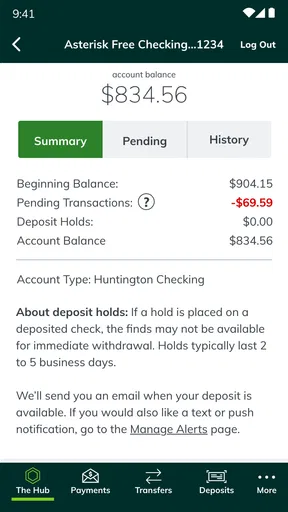
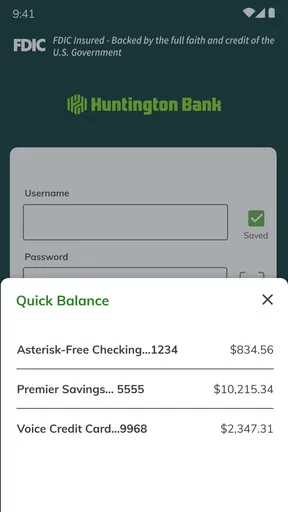
Upon downloading the Huntington Mobile Banking app, I was immediately impressed by its clean and intuitive design. It's clear that the developers focused on making the user experience as seamless as possible. The app opens to a straightforward dashboard where your account balances are displayed prominently. This is great for those of us who like to keep track of our finances at a glance.
Logging in is a breeze, thanks to the biometric login feature. If you’ve got a phone with fingerprint or face recognition, you’re in luck. No more typing in long passwords or scrambling to remember which one you used!
Features That Stand Out
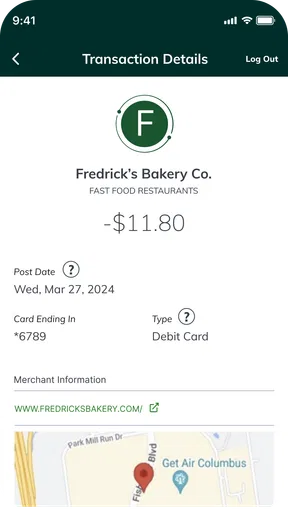
One of the standout features of the app is its real-time transaction alerts. These alerts give you immediate updates on your spending activity, which is perfect for staying on top of your budget. I found this particularly useful when trying to keep track of my monthly expenses.
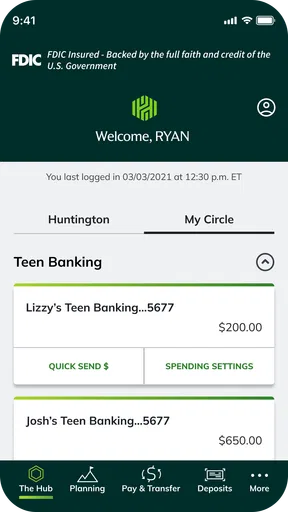
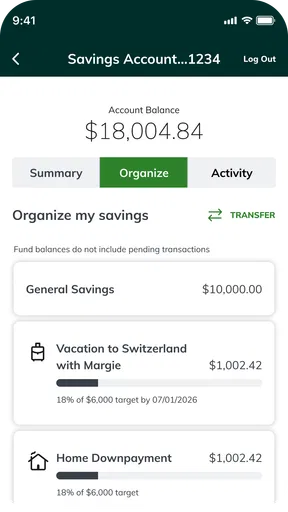
The app also offers a unique tool called "The Hub," which is a centralized place to manage your financial goals. Whether you’re saving for a vacation or trying to pay off a debt, The Hub provides insights and tools to help you get there faster. It's like having a personal finance coach right at your fingertips.
For a less obvious but useful routine, I’d pair alerts with a quick balance check after a busy day of errands. The point isn’t to scrutinize every purchase; it’s to catch an unfamiliar charge while the context is still fresh. Alerts can also make a spending plan more realistic: instead of relying on memory at the end of the month, you can notice when a category is getting more attention than expected and adjust upcoming discretionary spending. That works best as a prompt to review your activity, not as a substitute for checking the actual transaction details.
Worth Reading Before You Choose

EA SPORTS FC Mobile 26 Is a Bigger Football Game, but It Takes Time

Flipboard Shows What News Apps Must Do Beyond the Feed

Switching to Android Auto Means Rethinking Your Driving Routine

Google Calendar Makes a Crowded Week Easier to Manage

Ludo King Makes the Most of the Minutes Between Plans

Baby Panda World Brings Quick Play to Modern Phones, but Its Game Library Feels Busy
The Hub is most helpful when a goal has a clear purpose and a time horizon, such as building a travel fund or reducing a balance. I’d use it to keep that intention visible, then check progress during a regular money review rather than expect the app to make decisions for me. A planning tool can help organize attention, but it does not remove the need to choose a sensible amount to save or to account for bills that come first. If your finances involve complicated investment planning, I would treat this as a banking aid, not a full financial-planning service.
Payments and Transfers Made Easy
Transferring money and paying bills has never been easier. The app supports both internal transfers between your accounts and external transfers to other banks. I particularly enjoyed the "Pay Bills" feature, which allows you to set up one-time or recurring payments. No more worrying about missing a due date!
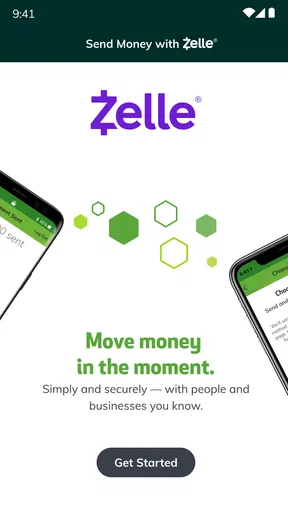
Plus, the app integrates with Zelle, allowing you to send money to friends and family quickly and securely. I tested it out, and the transfer was instantaneous. Talk about convenience!
For bill management, I’d start by setting up only the payments I know are predictable, then review the scheduled items before relying on recurring payments as a set-and-forget system. That small check is especially useful when a bill amount varies or when you change the account from which it should be paid. For an occasional payment, a one-time setup may be the calmer option; for a steady monthly obligation, recurring payment can reduce the chance that a busy week makes you forget. Either way, I still like keeping the biller’s confirmation and checking the account afterward.
Transfers also deserve a little care. Moving money between your own accounts is different from sending it to another person or another bank, so I’d pause to confirm the destination and amount before submitting anything. Zelle is convenient for people you know and trust, but speed is not a reason to treat it like a reversible payment. I would avoid using a person-to-person transfer for an unfamiliar seller or a transaction where I need the protections and recordkeeping of a more formal payment method. Convenience is strongest when the recipient is already verified.
Compared with a generic budgeting app, the practical advantage here is that banking actions sit alongside the account view rather than requiring a separate tool for every basic task. A standalone budget tracker may be a better fit if you want a broad view of spending across several institutions or a specialized way to classify expenses. By contrast, if your main routine is checking Huntington balances, paying bills, and moving money, a bank’s own app is a more direct place to act. I’d choose based on the job I need done, not assume that one app must cover every financial need.
Security You Can Trust
With all the sensitive information stored on banking apps, security is a top priority. Huntington Mobile Banking employs advanced security measures to protect your data. The app uses encryption to safeguard your information, and you can set up notifications for any suspicious activity. This gave me peace of mind, knowing that my financial data is in safe hands.
Biometric access is convenient, but I’d still keep the phone’s own lock screen protected and avoid treating a quick sign-in as proof that every transaction is safe. If a device is shared, borrowed, or likely to be left unattended, I’d be more cautious about staying signed in and about what account details are visible on screen. Alerts are useful for awareness, yet they work only as part of a broader habit: check anything that looks unfamiliar and contact the bank through a trusted route rather than responding to a message that merely claims to be from it.
Customer Support and Accessibility
If you ever run into any issues, the app provides multiple avenues for support. The in-app chat feature connects you to a customer service representative without having to leave the app. I gave it a try, and the response time was impressively fast.
Moreover, the app is accessible to users with disabilities, featuring voice-over support and other assistive technologies. It’s nice to see a company that prioritizes inclusivity.
For a quick question about navigating a task, in-app help can be more convenient than leaving the banking screen to search elsewhere. For a sensitive problem, such as a transaction I don’t recognize or access I can’t restore, I’d prioritize a verified contact route and follow the bank’s instructions carefully. Support chat is useful when it suits the issue, but no single channel is ideal for every situation. I’d also test the app with the accessibility settings I actually use before making it my only way to manage an account; assistive support matters most when it works comfortably with a person’s device and routine.
Who Will Get the Most from It
I’d recommend this app first to existing Huntington customers who want a convenient way to monitor accounts and take care of ordinary banking without visiting a branch or signing in on a computer. It is particularly appealing if you prefer to see balances, transaction activity, alerts, bill payments, and transfers in the same bank-centered workflow. Someone managing shared household expenses may also find it useful for checking their own account activity before a planned transfer or bill payment, while still needing to agree with other household members about who pays what.
It is less compelling for someone who does not bank with Huntington and is looking only for a general money-management dashboard. A separate finance app may be more suitable for tracking multiple banks together, and a spreadsheet may be preferable for people who want complete control over custom categories and calculations. I also wouldn’t choose a bank app solely because its mobile experience looks convenient; account terms, branch access, and the services you need should shape that decision. The app helps manage a Huntington relationship; it is not a reason by itself to open one.
One everyday example shows where it earns its place: before leaving work, I could check whether a recent purchase has appeared, confirm that enough money is available for a scheduled bill, and make a transfer if funds need to be moved between my own accounts. Later, an alert can draw my attention to new activity without requiring me to open the app repeatedly. That is a compact, useful routine, especially on a day when errands and due dates compete for attention. The trade-off is that I still need to review the details and make the decisions; mobile access makes the steps easier, not automatic.
Final Thoughts
Overall, the Huntington Mobile Banking app is a powerful tool for managing your finances on the go. Its user-friendly interface, robust features, and strong security measures make it a standout choice for anyone looking to simplify their banking experience. Whether you’re a tech-savvy individual or someone who just wants an easy way to handle financial tasks, this app has something for everyone.
My recommendation is more specific: if you already use Huntington and want everyday banking tasks close at hand, this app looks like a sensible companion. If you need a cross-bank budgeting workspace, prefer to do financial tasks on a larger screen, or are still comparing banks, a different option may serve you better. I’d also make sure your phone meets the Android requirement before counting on the app while away from home. The strongest reason to use it is straightforward access to your Huntington accounts; the strongest reason to look elsewhere is needing a broader or different financial setup.
Ready to give it a try? You can download the app via the links provided on our website. Happy banking!
Pros
- User-friendly interface
- easy to navigate.
- Offers real-time transaction alerts.
- Fingerprint login for added security.
- Customizable account notifications.
- Integrates with budgeting tools.
Cons
- Limited customer support hours.
- Some features may be slow to load.
- Occasional app crashes reported.
- Requires frequent updates.
- Limited features for business accounts.
FAQs for Huntington Mobile Banking
What features does the Huntington Mobile Banking app offer?
The Huntington Mobile Banking app provides a comprehensive suite of features, including account balance checks, transaction history, fund transfers, bill payments, and mobile check deposits. It also offers alerts for account activity and spending insights. Additionally, users can manage their credit cards and loans directly from the app, ensuring all financial needs are met conveniently in one place.
Is the Huntington Mobile Banking app secure to use?
Yes, the app is designed with multiple layers of security to protect user information. It uses encryption, biometric login (such as fingerprint and facial recognition), and multi-factor authentication. Regular updates and security patches are deployed to keep the app secure. Users are also advised to use strong passwords and to monitor their accounts regularly for any suspicious activity.
Can I access the Huntington Mobile Banking app on multiple devices?
Yes, you can access the Huntington Mobile Banking app on multiple devices, including smartphones and tablets. However, for security reasons, each device must be registered and verified. This helps ensure that only authorized devices can access your banking information. The app is available for both Android and iOS platforms, making it versatile for various users.
Does the Huntington Mobile Banking app support mobile check deposits?
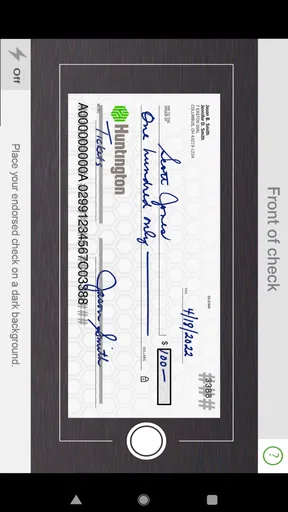
Absolutely, the app supports mobile check deposits, allowing users to deposit checks without visiting a branch. Simply endorse the check, take a photo using the app, and submit it for deposit. There are limits on the amount you can deposit via mobile check, and it's important to keep the physical check until it clears. This feature streamlines banking and saves time.
Are there any fees associated with using the Huntington Mobile Banking app?
The Huntington Mobile Banking app itself is free to download and use. However, standard fees may apply for certain transactions, such as expedited bill payments or wire transfers. It's crucial to review your account terms or contact customer service for detailed information on any potential fees. Additionally, data charges from your mobile carrier may apply when using the app.


